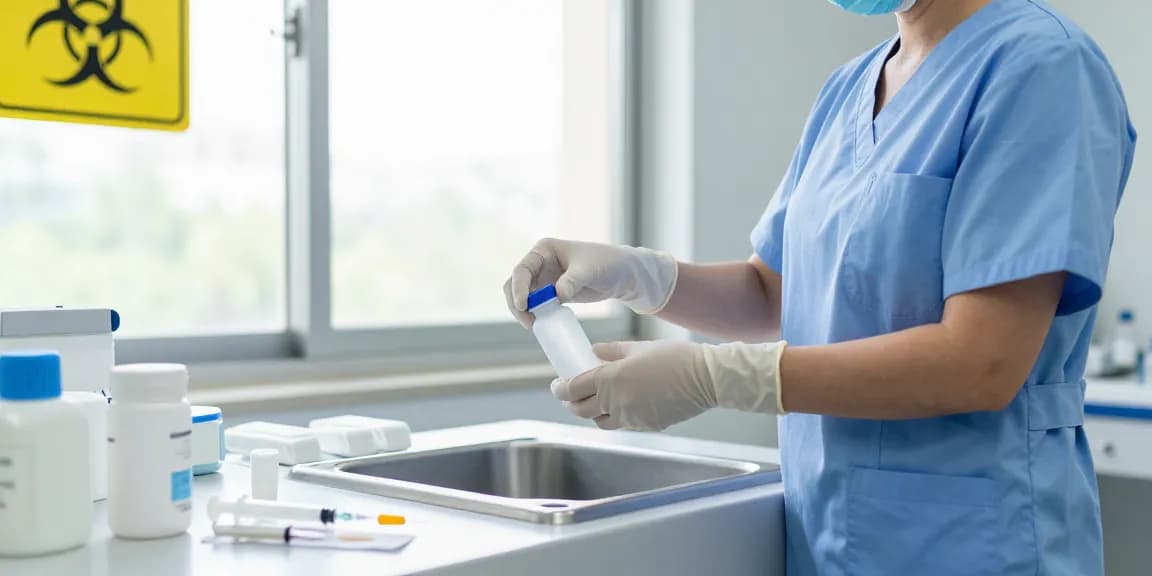
Understanding the Importance of Sharps Containers
In the healthcare industry, safety is paramount. One of the most critical components in ensuring safety for both patients and healthcare workers is the proper disposal of sharps waste. Improper disposal can lead to serious health risks, including infections and injuries. Sharps containers play an essential role in this process, effectively mitigating these risks and ensuring compliance with health regulations. Understanding the purpose and proper use of these containers is crucial for fostering a safe medical environment. For comprehensive insights on choosing the right sharps container, it’s vital to recognize their significance.
What Are Sharps Containers?
Sharps containers are specialized receptacles designed to safely collect and dispose of medical waste that can puncture or cut, such as needles, syringes, scalpels, and broken glass. These containers are typically made from rigid plastic and are puncture-resistant, ensuring that the contents do not leak or spill. The design of sharps containers includes features like a wide opening for easy disposal and a secure lid to prevent unauthorized access.
Why Proper Disposal Is Critical for Safety
The proper disposal of sharps is critical for multiple reasons:
- Injury Prevention: Needlesticks and cuts from sharp instruments can lead to severe injuries, potentially transmitting bloodborne pathogens such as HIV or Hepatitis.
- Infection Control: Contaminated sharps can become a source of infection if not disposed of correctly, posing a significant risk to healthcare workers and patients.
- Environmental Safety: Properly closed and disposed sharps containers reduce pollution and prevent biohazardous waste from contaminating the environment.
Common Types of Sharps Waste in Healthcare
Sharps waste comes in various forms, and understanding these can help in selecting the appropriate disposal methods:
- Needles: The most common form of sharps waste, often used in injections or blood draws.
- Syringes: Frequently used alongside needles; both should be disposed of in sharps containers together.
- Scalpels: Surgical instruments that pose a high risk of injury if not handled and disposed of properly.
- Glass Vials: Can break easily and must be treated as sharps due to the risk they pose.
Best Practices for Using Sharps Containers
Locating Sharps Containers in a Clinical Environment
Sharps containers should be easily accessible in areas where sharps are used. It's crucial to place them in strategic locations, such as near examination rooms, nursing stations, and procedure areas, to ensure that healthcare workers can dispose of sharps immediately after use. Signage should be clear, and the containers should be conspicuously marked to promote proper usage.
How to Properly Dispose of Sharps Waste
To ensure safety and compliance, follow these steps for disposing of sharps:
- Immediately place used sharps in the container after their use.
- Do not attempt to recap needles or overfill the container.
- Seal the container when it reaches the fill line indicated on the container.
- Follow your facility's protocols for transporting the sealed container to the designated disposal site.
Maintenance and Replacement of Sharps Containers
Regular maintenance of sharps containers is essential to avoid overflow and ensure safety. Containers should be inspected weekly for signs of wear and tear. Always replace containers as soon as they are full, and ensure that they are disposed of according to local regulations.
Legal and Regulatory Compliance
Overview of Healthcare Waste Regulations
Healthcare facilities must comply with stringent regulations regarding the disposal of sharps waste. These regulations typically stem from local, state, and federal guidelines, including the OSHA Bloodborne Pathogens Standard and the EPA regulations for medical waste management. Awareness of these regulations is crucial for healthcare providers to avoid legal issues and maintain a safe environment.
Consequences of Non-Compliance
Failure to comply with sharps waste disposal regulations can lead to severe consequences, including:
- Fines: Facilities may face hefty fines for improper disposal practices.
- Legal Liability: If a healthcare worker or patient suffers an injury due to negligence in sharps disposal, the facility could be held accountable.
- Reputation Damage: Non-compliance can severely harm a facility's reputation, affecting patient trust and staff morale.
Best Practices for Documentation and Reporting
Healthcare facilities should maintain accurate records of sharps disposal. This includes documenting the quantity of sharps disposed, the dates of disposal, and the methods used. Regular audits can help ensure compliance and provide a safety net in case of inspections.
Innovations in Sharps Disposal Technology
Advancements in Container Materials and Designs
Recent advancements in technology have led to the development of sharps containers made from advanced materials that are not only more durable but also environmentally friendly. Innovations include designs that allow for easier closure, reducing the risk of accidental openings, and containers that can signal when they need to be replaced.
Mechanical Systems for Sharps Disposal
Emerging mechanical systems offer automated solutions for sharps disposal, such as devices that can securely collect and compact sharps, minimizing the size of waste and the frequency of disposal. These systems can enhance safety by removing human interaction from the disposal process.
Future Trends in Healthcare Waste Management for 2026
Looking forward to 2026, the waste management sector is likely to see a shift towards more sustainable practices, including:
- Biodegradable Sharps Containers: Development of containers that break down organically after disposal.
- Smart Containers: Integration of IoT technology to monitor fill levels and log disposal data in real-time.
- Recycling Initiatives: Programs aimed at recycling materials from sharps waste rather than incinerating them, promoting environmental stewardship.
Education and Training for Healthcare Workers
Training Programs for Proper Sharps Disposal
Education is key to ensuring compliance and safety in sharps disposal. Healthcare workers should receive regular training on the importance of proper disposal methods, how to use sharps containers effectively, and updates on regulatory changes. This training should be part of onboarding processes and ongoing education.
Creating a Culture of Safety in Healthcare Settings
Fostering a culture of safety involves not only education but also a commitment from all levels of staff. Management should encourage open discussions about safety practices and ensure that workers feel empowered to report unsafe conditions regarding sharps disposal.
Resources for Ongoing Education and Support
Continual learning is essential in the healthcare sector. Organizations can provide access to educational resources, workshops, and online courses about sharps disposal. Moreover, healthcare professionals should stay updated on best practices and innovations in safety protocols.
What are the benefits of using sharps containers?
Using sharps containers greatly reduces the risk of injury, infection, and environmental contamination. They are designed specifically to handle hazardous waste safely, ensuring that healthcare environments remain safe for both staff and patients.
How often should sharps containers be replaced?
Sharps containers should be replaced as soon as they reach the fill line, which is typically marked on the container. Regular inspections are necessary to prevent overfilling, which can lead to unsafe handling conditions.
What should I do if a sharps container is full?
When a sharps container is full, it should be sealed according to your facility's protocols and transported to the designated disposal area immediately. Never try to overfill or force items into a nearly full container.
Are there specific regulations for sharps disposal in my area?
Yes, sharps disposal regulations can vary by location, so it’s essential to consult local health departments or environmental agencies for specific guidelines applicable to your region.
What innovations are emerging in sharps disposal technology?
The sharps disposal industry is seeing innovations such as smart technology in containers, biodegradable materials, and automated disposal systems that enhance safety and compliance while reducing environmental impacts.